In this post I discuss the material for the lecture we had on Monday(PowerPoint material) and associated paper. The article is called Alternatives: Exploring Information Appliances through Conceptual Design Proposals. Beginning with the article which is written roughly 20 years ago, we are presented in the introduction about the possibilities of the future of digital technology. The authors argue that the increasing demand in technology and a variety of forms and function within it’s entity are going to force it to expand outside of traditional shell we (they) knew as personal computer. Which more or less dominated this field at the tame.
Another important term for the emerging devices with interactive function and connectivity is information appliances. First coined by Jef Raskin around year 1979 and further explained by Don Norman in his book “The invisible computer”. The importance of the word information appliances is evident as it clarifies and explains the specifics. As opposed to a traditional PC, information appliance is single application device (a device designed to be used for one application or similar tasks) which is easy to use. It is also able to share information automatically with other (not limited to) information appliance devices. The connectivity and communication capability between devices creates new affordances for interaction.
The authors continue to provide some examples of information appliances and what is not. In conclusion there is a lot of devices that are in the middle in between of being IA-device and not being defined as one. Of course this article being published in year 2000 doesn’t really correspond with the reality of today. Devices has been developed far beyond from what we could imagine in the beginning of the millennia. But one thing that is interesting and that still is persistent to this day is although the level of complexity and interactive value has increased, a good design has to care for what it is being designed for and for who and evidently what kind of value it should provide to it’s user.
Alternative values and how we see the product is also interesting. The authors explains that that different outcomes can be achieved depending on what kind of values are desired. Apparently the trend being at that time that many devices adopted the attributes from other devices from the field of professional work where efficiency and productivity is of core essence. Examples are not being made of how much the market was dominated by these devices but I can imagine it being very mixed. Exploration in the field of non-productive products, more leaning toward what we could call today entertainment had also an important period of development. However other values were not pursued at that time leaving a huge desire for product with alternative values other than productivity, efficiency and leisure.
This issue or rather way of choosing values to implement is a bit of a fuzzy term today. Where the technology has pushed both in cost and technological development, products can often be found with simply “too much”. Yielding a product which will be used a X amount time before rapidly loosing it’s value. Not because times are changing and new desires needs to be addressed but because the values of the product possibly has been misjudged by the user or cleverly hidden by designer/company (in order to sell the product). An example of this phenomenon can be applied to smartphones. Where people often exchange their working and perfectly functional smartphone to a newer model. The “upgrade” is often happening before the usable life of the phone is exhausted, according to personal experience with people in my surrounding within 1-2 years. What incites this behavior? Has values been increased? While it is very much possible that with every generation of smartphone new values are added but there seem to be no relation between value and retainability since the smartphone is being exchanged before it’s values being surpassed.
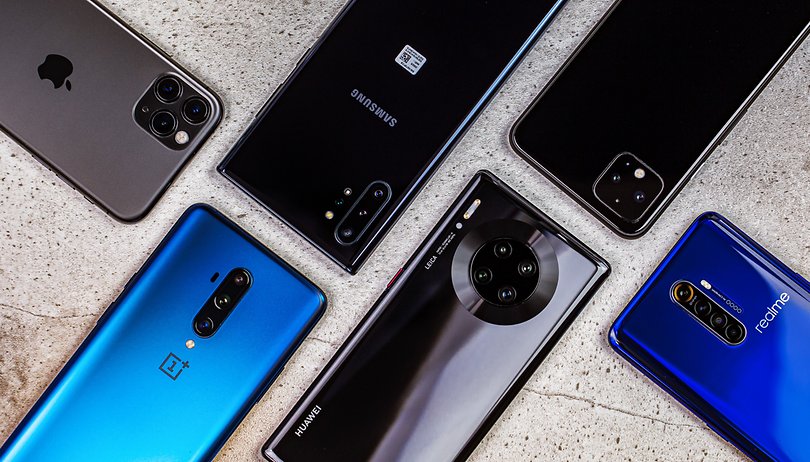
During the lifespan of the smartphone device we have seen manufacturers fight over who has the best device. Depending on the technological breakout for the year, different values are directed towards the user as “must need features”. To take an example, the trend today is multiple camera modules with an astronomical amount of pixel resolution. Possible user values is that you can now take better looking pictures then ever. So they claim. But would you really think to use the smartphone as a camera if you wanted to take pictures that really meant a lot? Personal pictures like birthdays, weddings and so on have a special meaning. The value given with a smartphone as to take “good” pictures will not seem to be enough. Those precious moments where quality is of essence the user will seek to use the device with highest possible quality. In this case that would be a DSLR camera.
To tie together the article with real life observation, values is an important area but tends to shift constantly with what is trendy and what is possible technology-wise. Occasionally it seems that it is so easy as a designer to listen to the users and demography after what is sought after and start creating to that specification. Other times I would guess is were you as a designer create a need of your product, whether it is useful or not.
Project 2 is going according to schedule. Right now are we as a group working separate with our tasks. The point with working parallel is to do more efficiently and then meet up and summarize the work together, sift through, add and remove information and so on. The work so far includes a physical button shaped like a hand. Where the user shall touch/grab when a chore is done, which in turn sends a signal to the app. The specifics are more or less set and we are ready to start the physical prototype the upcoming days.

 Micro blogg